Timber entrance doors
Traditional timber doors may use a mortice sashlock, deadlock, night latch or a combination of locks. Where insurance requirements apply, a suitable BS 3621 lock may be appropriate, subject to the door and policy.
Serving Norwich, England & surrounding areas
24/7 Emergency Response
Lock replacement service · Norwich
Secure your home, rental property or business with carefully fitted replacement locks and clear advice on the right specification for each door.
Local lock replacement
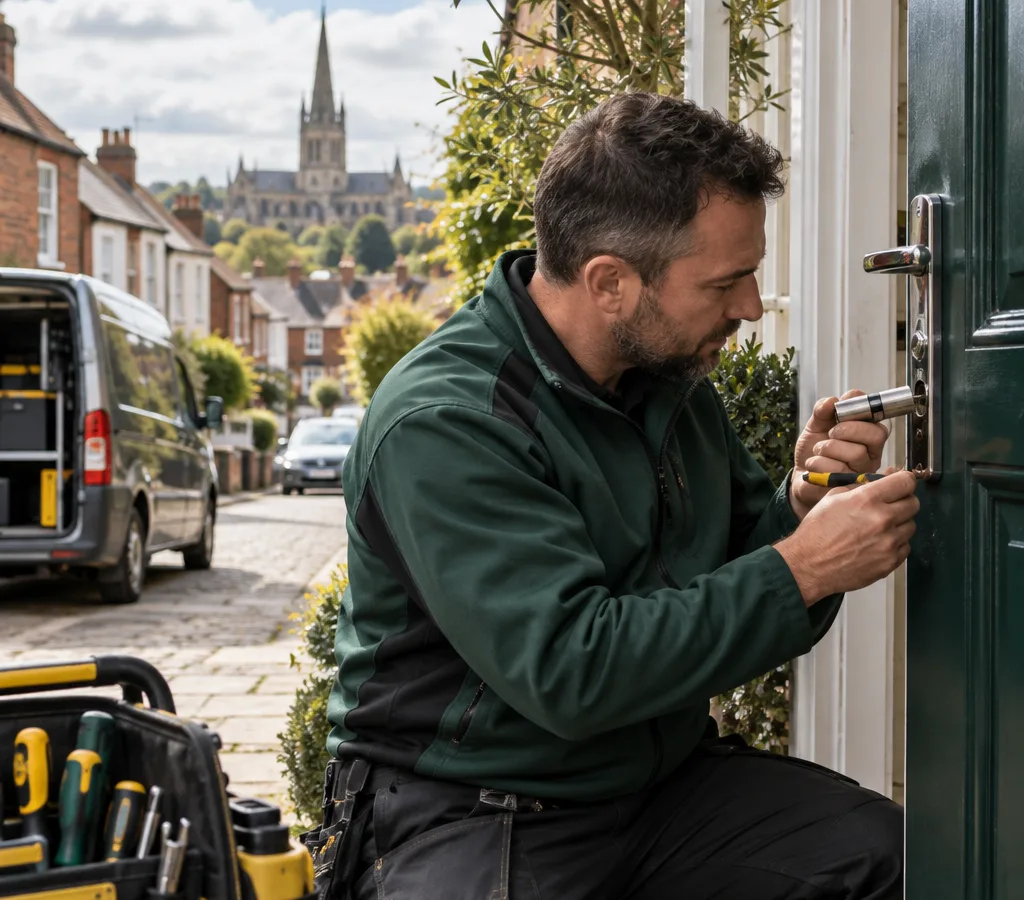
Lock Changes Norwich customers request often follow a move, lost keys, a change of tenant or concern about who may still hold a copy. Norwich locksmiths can assess the existing door hardware, explain suitable replacements and fit the agreed lock without unnecessary changes to the door.
We are Norwich's locksmith service specialists, working on residential and commercial doors across the city, including traditional timber doors, modern composite entrance doors and aluminium shopfront systems. Norwich has varied property types: terraced housing around the Golden Triangle commonly has timber entrance doors, while newer homes around Cringleford often use multipoint locking systems with euro-profile cylinders. The correct replacement depends on the door and mechanism, not simply the shape of the key.
A lock change should address the reason for the work. If key control is the concern, replacing or rekeying the cylinder may be sufficient. If the case, gearbox, handles or keeps are worn or damaged, those parts must be assessed too. We explain what needs changing before work starts and avoid replacing sound components without a practical reason.
Recognising a lock problem
Change the lock when keys have been lost, stolen or handed to someone who should no longer have access. It is also sensible after buying a property because the number of existing key copies is usually unknown. Landlords may need a change between tenancies, while businesses often review access after staffing changes.
Other warning signs are a key that repeatedly sticks, a cylinder that moves in the door, a lock that needs force to operate, or a multipoint mechanism that will not engage cleanly. These symptoms should be checked before the lock fails and leaves the door difficult to secure.
A stiff lock is not always a cylinder fault. Door alignment, worn hinges and pressure on the latch or hooks can all make a sound lock hard to operate. Forcing the key may damage the cylinder or multipoint gearbox. An inspection identifies whether a replacement lock, an adjustment or both will give a dependable result.
Door-specific replacements
Traditional timber doors may use a mortice sashlock, deadlock, night latch or a combination of locks. Where insurance requirements apply, a suitable BS 3621 lock may be appropriate, subject to the door and policy.
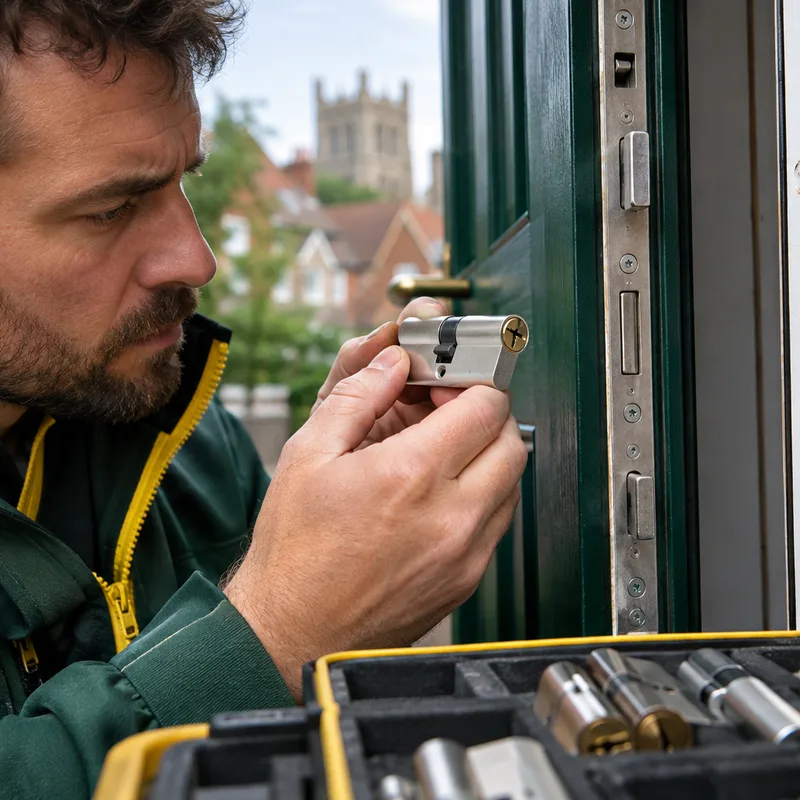
These doors commonly have a euro cylinder operating a multipoint mechanism with hooks, rollers or deadbolts. The cylinder must be measured correctly so it does not project excessively beyond the handle or escutcheon.
Offices, workshops and shop units can use mortice locks, rim cylinders, euro cylinders or restricted key systems. The choice should reflect access needs, door construction and any fire-door obligations.
Side doors, garages and outbuildings need hardware suited to their construction and exposure. We check the lock body, fixing points and door condition before recommending a replacement.
We establish why the lock is being changed, which doors are involved and whether the property is currently secure. This helps distinguish a planned replacement from an urgent security issue.
The existing cylinder, lock case or multipoint mechanism is inspected. Measurements such as cylinder length, backset and centres are checked so the replacement fits and operates correctly.
You receive a clear explanation of the suitable options. This may include keyed-alike cylinders, thumbturn operation, anti-snap protection or a lock carrying a recognised British Standard where appropriate.
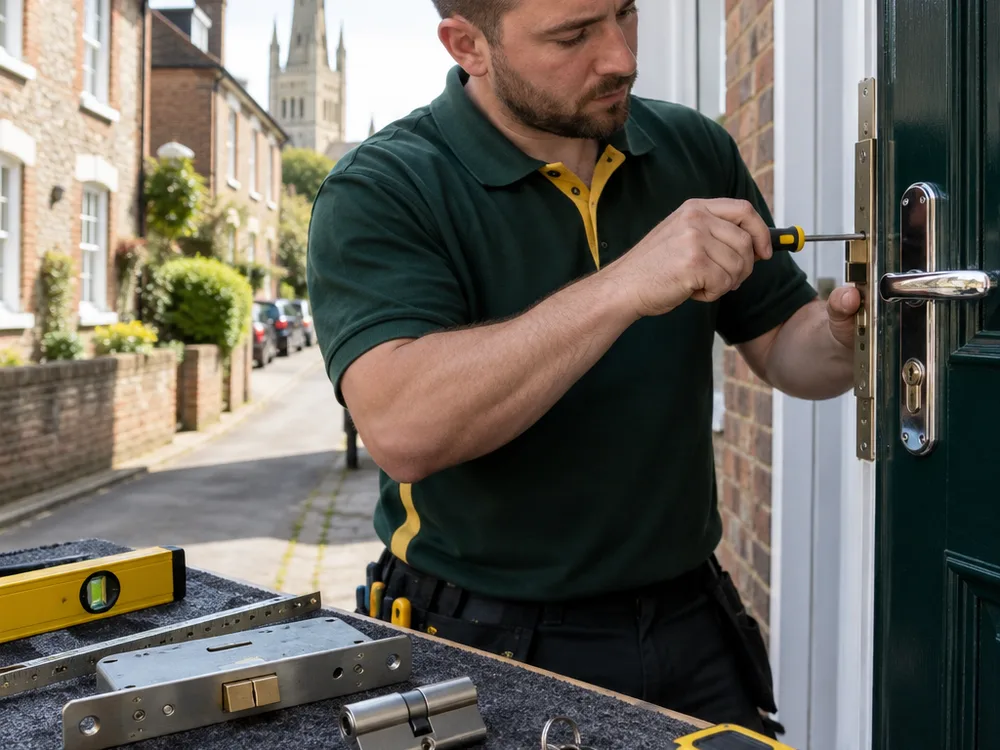
The new lock is installed and tested with the door open and closed. We check key operation, latch engagement, bolt movement and alignment rather than treating fitting alone as completion.
The supplied keys are checked, and you are shown how the lock should operate. Any maintenance or door-alignment advice is explained before the work is finished.
Standards and protective features
Lock security depends on the whole door set. A high-specification cylinder cannot correct a weak door, loose handle or damaged frame, so these parts should be considered together.
For timber doors, BS 3621 is a recognised standard for thief-resistant locks that can be operated from both sides with a key. BS 8621 covers locks that permit keyless escape from the inside, where that arrangement is suitable. Your insurer may specify a standard or lock type, so check the policy wording rather than assuming one specification applies to every property.
Euro cylinders are available with anti-snap, anti-drill, anti-pick and anti-bump protection. TS 007 uses a star-rating system for cylinders and protective door furniture. The right arrangement depends on the existing handle or escutcheon, the cylinder projection and the door mechanism. Commercial and managed properties may also need key control, master-key planning or a thumbturn that supports safe exit requirements.
Typical replacement pricing
A straightforward domestic lock change in Norwich typically costs about £90 to £180 including a standard replacement, while higher-security cylinders, mortice locks or multipoint components may bring the total to around £140 to £300 or more. These are general estimates, not fixed quotations.
Final price depends on lock type, security rating, door condition, parts required, access and whether attendance is outside normal working hours. A cylinder-only change usually costs less than replacing a failed multipoint gearbox. The exact cost is confirmed after the lock and door have been inspected.
Local doors and conditions
Period terraces around Thorpe Hamlet and the Golden Triangle often retain timber doors or traditional lock arrangements, although individual properties vary after years of alterations. A replacement should suit the door thickness, existing cut-outs and frame rather than enlarging sound joinery without need. In central Norwich, flats and converted buildings may have shared entrances or managed fire doors; permission and the building's access arrangements should be checked before altering communal hardware.
Modern estates around Bowthorpe and Cringleford commonly include composite or uPVC doors with multipoint locks. On these doors, a loose or protruding cylinder can reduce the value of an otherwise capable mechanism. Accurate internal and external measurements matter, as does matching the cam and checking that the handle provides suitable protection.
Norfolk's wet and cold weather can expose alignment problems as timber doors absorb moisture and materials move slightly with seasonal conditions. If a lock becomes harder to use at certain times, the answer may include hinge or keep adjustment rather than repeatedly lubricating or forcing the key. Use only a lubricant suitable for the lock type, because heavy oil can trap debris inside a cylinder.
If you are unsure whether the cylinder, lock case or complete mechanism needs replacing, arrange an assessment before the door becomes difficult to secure.
Call for a Free QuoteUseful answers before you book
Yes, a lock can usually be replaced without an existing key, provided lawful access or authority to the property can be confirmed. The method depends on whether the door has a euro cylinder, mortice lock, rim cylinder or another system, and the least damaging suitable approach should be used.
Yes, the euro cylinder can often be changed without replacing the multipoint mechanism. The gearbox and locking points should still be tested because a stiff handle, failed hook or alignment problem will not be repaired by fitting a new cylinder.
Changing external locks after moving is a sensible way to regain control of the keys. This is especially relevant where previous owners, tenants, contractors or agents may have held copies; the replacement can often retain the existing door hardware while providing a new key set.
Yes, compatible locks can often be supplied keyed alike so one key operates several doors. The cylinders or locks must be from a suitable system and measured individually, which is useful for homes with separate front, rear and garage entrances or businesses managing multiple internal doors.
A straightforward cylinder or common mortice-lock replacement can often be completed during one visit. Extra time may be needed if the door is misaligned, the existing lock is damaged, unusual parts are required or a commercial master-key arrangement must be planned.
You need a lock that meets the requirements written in your own insurance policy. Policies may refer to a five-lever mortice deadlock, a multipoint system or a British Standard such as BS 3621, so check the wording and retain relevant lock or key documentation.
A landlord can arrange a lock change when they have lawful authority and the tenancy circumstances permit it. For a routine change between occupancies, new keys should be recorded and supplied appropriately; active-tenancy access disputes require legal guidance rather than forced entry.
Describe the door, the current lock and why it needs replacing. Norwich locksmiths will help identify the appropriate next step and provide a clear scope before work begins.